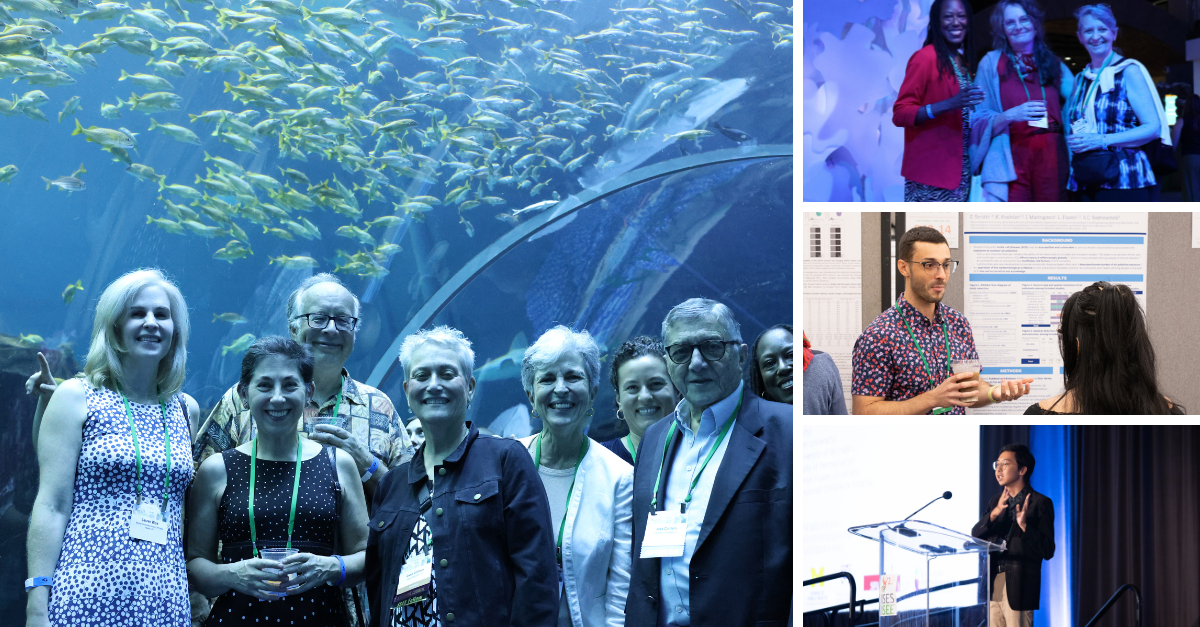
We are proud to announce the ISES Annual Awards winners.  Every year, the Society recognizes individuals who have made significant contributions in the field of exposure science. We are honored to recognize the following individuals this year.

Excellence In Exposure Science Award

The ISES Board of Directors established the Excellence in Exposure Science Award to recognize individuals who have left an indelible mark in the field of exposure science. This award is inspired by the work of visionary individuals who have helped shape the field of exposure science and who supported the origins and growth of the ISES and have now passed on but left a strong legacy.
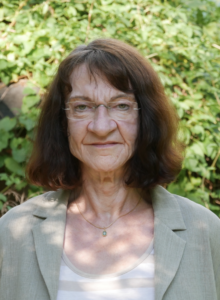
Marike Kolossa-Gehring

Institute for Prevention and Occupational Medicine of the German Social Accident Insurance – Institute of the Ruhr-University Bochum (IPA)

Dr. Marike Kolossa-Gehring is an international expert in toxicology, and the assessment of chemical exposure and risk assessment, with a particular focus on human biomonitoring (HBM). She developed extensive expertise in policy relevant science as Head of the “Toxicology and Health-Related Environmental Monitoring Section” at the German Environment Agency (UBA) and through her work in expert groups of international organizations including the Organization for Economic Co-operation and Development (OECD) and the World Health Organization (WHO). She led major German HBM programmes, including the German Environmental Survey (GerES) and the German Environmental Specimen Bank. 

From 2017 to 2022, she served as Coordinator of HBM4EU, a large-scale European Human Biomonitoring Initiative involving 118 collaborating entities from 30 countries. From 2022 to 2025, she was Co-Leader of the large-scale Exposure and Monitoring Work Package of the EU Partnership for the Risk Assessment of Chemicals (PARC). She is a member of the Editorial Board of the International Journal of Hygiene and Environmental Health (IJHEH). 

Dr. Kolossa-Gehring has authored or co-authored more than 250 peer-reviewed publications, and her research has attracted substantial media attention. She served as Governmental Counselor of the International Society of Exposure Science (ISES) from 2011 to 2014 and received her doctorate in biology specializing in toxicology and alternatives for animal testing from Christian-Albrechts-University of Kiel, Germany, in 1992. 

Joan M. Daisey Outstanding Young Scientist Award
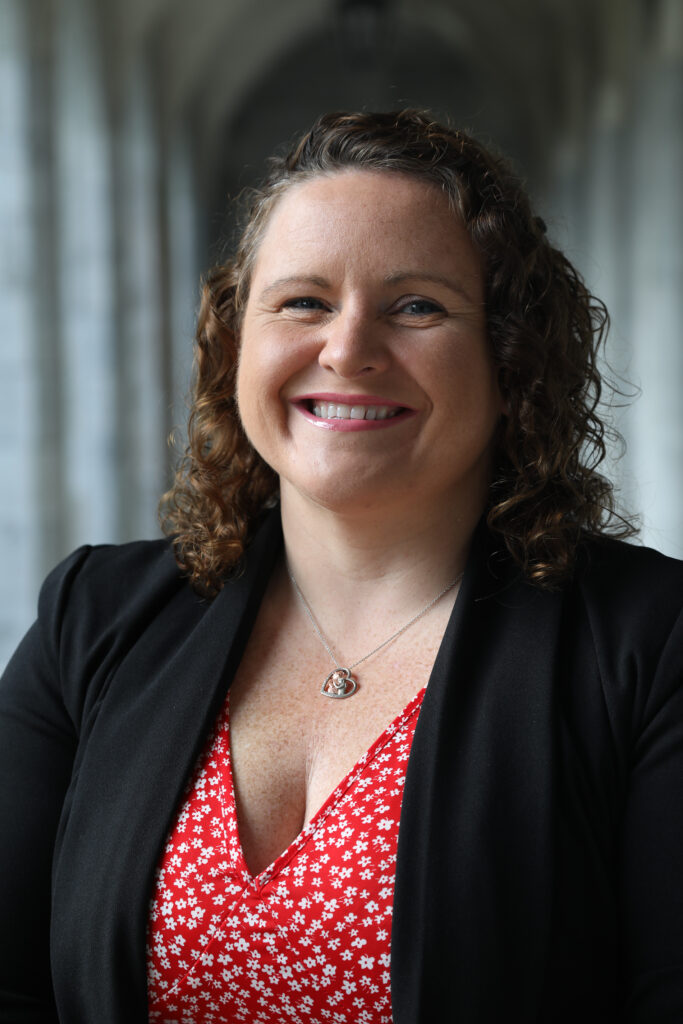
To recognize outstanding contributions to the science of human exposure analysis by a young scientist.
Alison Connolly

Assistant Professor in the UCD Centre for Safety and Health at Work, UCD School of Public Health, Physiotherapy and Sports Science, University College Dublin (UCD).

Dr Alison Connolly is an exposure scientist with responsibilities for teaching and research at University College Dublin (UCD). She is the Programme Director of the UCD Higher Diploma in Safety, Health and Well-Being at Work. Dr Connolly’s research is motivated by the protection of human health by evaluating and understanding exposures from new and emerging pollutants, predominantly using human biomonitoring approaches. Dr Connolly received her PhD from the University of Galway, researching glyphosate exposure among occupational groups. She was previously a Marie Skłodowska-Curie Actions fellow.

Dr Connolly is the PI of numerous projects that utilise human biomonitoring strategies to evaluate chemical exposures. Most recently, she was awarded Irish Environmental Protection Agency (EPA) funding to initiate the ‘Human biomonitoring for Ireland (HBM4IE)’ national programme, which is a collaboration with the EU-wide project, Partnership for the Assessment of Risks from Chemicals (PARC) initiative. Dr Connolly is Ireland’s designated contact point (nominated by the Department of Health) for the European Environment and Health Process (EHP) Partnership on Human Biomonitoring in the WHO European Region. 

Dr Connolly was a founding board member of the European Regional Chapter of the International Society of Exposure Science (ISES Europe). She is also the Chair of the ISES Europe Education, Training and Communication working group, which recently published the Exposure Science Training Series and the ‘This is Exposure Science’ video series. Dr Connolly also contributed to numerous ISES committees and hosted the ISES Europe chapter workshop in 2026. 

ISES Service Award

Acknowledging exceptional service and dedication to ISES and its mission. 
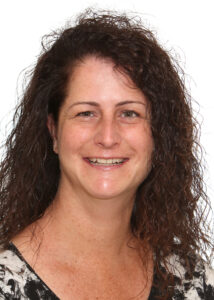
Dana Barr

Professor, Rollins Endowed Faculty Scholar, Gangarosa Department of Environmental Health, Rollins School of Public Health, Emory University, Atlanta GA, United States

Nicolle S. Tulve, Ph.D., is currently employed at the U.S. Environmental Protection Agency’s Office of Research and Development (ORD). She is an internationally recognized expert on young children’s exposures to chemical and non-chemical stressors found in their everyday environments and the influence these stressors have on their health and well-being. Dr. Tulve published the Total Environment framework which is an integral component of cumulative impacts. She has had lead responsibility for several projects that were collaborative efforts with academia, other government organizations, and in-house research projects.

Nicolle received her Ph.D. in environmental engineering from Clarkson University, an M.S. in environmental health and toxicology from SUNY Albany, and a B.S. in biology from Oswego State. Immediately after graduation, Nicolle completed a post-doctoral fellowship in ORD related to children’s environmental health.
Nicolle is active in several professional societies, reviews for numerous refereed journals, and serves as an Associate Editor for JESEE.

Nicolle has been an active member of ISES for more than 20 years, serving in many volunteer roles including Chair of the Membership Committee and member of several technical organizing committees for annual meetings.

IPA/DGUV Award for Young Exposure Scientists

To foster research in exposure areas with linkages to biomonitoring for superior doctoral students working on their dissertation or superior first-year postdoctoral exposure scientists

Susan Hoffman

Researcher, Department of Epidemiology, Rollins School of Public Health, Emory University, Atlanta, GA, USA

Dr. Susan S. Hoffman earned her PhD in Epidemiology from Emory University, where her dissertation investigated how endocrine-disrupting chemicals influence gestational age at birth through epigenetic and metabolomic pathways using single- and multi-omics approaches and high-dimensional mediation methods. During her doctoral training, she led research examining the impacts of environmental exposures on pregnancy and child health, with an emphasis on elucidating biological mechanisms underlying adverse birth outcomes.

Dr. Hoffman received the Livingston Scholar Award for Outstanding Doctoral Student Achievement, the Anoopa Sharma Award for Excellence in Epidemiology Research, and a competitive NIEHS T32 Fellowship. In addition to her research, she served as a graduate teaching assistant and mentor for MPH and doctoral students, developing methods workshops and supporting training in epidemiologic methods. Her current interests focus on maternal and child health by applying epidemiologic methods to better understand early-life nutrition, environmental exposures, and factors that shape health across the life course.
 

Young Investigator Meeting Award

Encouraging student and early-career researcher participation at ISES Annual Meetings.

Yuan Yao

Postdoctoral Scholar, Department of Environmental Health Sciences, Fielding School of Public Health, University of California, Los Angeles CA, United States

Dr. Yuan Yao is a postdoctoral scholar in the Department of Environmental Health Sciences at the UCLA Fielding School of Public Health. She received her Ph.D. in Environment and Health from Peking University. Her research focuses on the intersection of air pollution, climate change, and human health, with an emphasis on wildfire smoke exposure, non-exhaust emissions, and community-engaged environmental health research.

Yuan has advanced understanding of emerging, non-exhaust sources of urban air pollution through her studies of fine particulate matter emissions from electric vehicle fast-charging stations and vehicle brake-wear particles. She has also led community-engaged research on the Aliso Canyon gas blowout disaster, working directly with affected households to assess long-term exposure risks. Following the 2025 Los Angeles wildfires, she led indoor and outdoor air sampling efforts across fire-affected communities, helping characterize post-wildfire air quality. Her work has been published in The BMJ, Environmental Science & Technology Letters, and Environment International, and has been featured in U.S. News & World Report, Bloomberg, and Los Angeles Daily News.

Through her work, Yuan aims to translate scientific evidence into practical solutions that reduce health disparities, strengthen public health preparedness, and support equitable energy transitions.


ISES Award for Best Student Paper
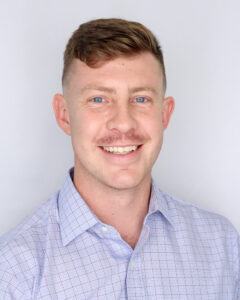
To recognize student or recent graduate ISES members for published work that exemplifies the best student-authored papers in the field of exposure science.
Grant Tore

PhD Student, Johns Hopkins Education and Research Center (ERC) for Occupational Safety and Health, Department of Environmental Health and Engineering, Johns Hopkins Bloomberg School of Public Health, Baltimore MD, United States

Dr. Grant Tore recently earned his PhD in Environmental Health from the Johns Hopkins Bloomberg School of Public Health and holds an MPH in Environmental Health Sciences from the Columbia University Mailman School of Public Health. As an exposure scientist and environmental epidemiologist, Dr. Tore’s research focuses on evaluating exposures among agricultural workers, including heat stress, pesticides, polycyclic aromatic hydrocarbons, and their mixtures, and examining their impact on adverse kidney and other health outcomes. Specifically, he is interested in employing innovative exposure assessment and molecular epidemiological approaches to inform prevention strategies. For the past six years, he has also been active member of ISES as he previously served as Student Councilor on the Board of Directors, currently co-chairs the Students and New Researchers committee, is an active member of the Mentorship and Nominations committees, and is a reviewer for JESEE.
Dr. Erin Haynes

Dr. Erin Haynes is the Kurt W. Deuschle Professor in Preventive Medicine and Environmental Health and Chair of the Departments of Epidemiology and Preventive Medicine and Environmental Health at the University of Kentucky, College of Public Health.  She is also deputy director of the UK Center for Appalachian Research in Environmental Sciences (CARES).  She has been working with communities to understand their environmental exposures through research and translation for nearly two decades. Her current research, funded by the National Institutes of Health/National Institute of Environmental Health Sciences focuses on the impact of environmental neurotoxicant exposure in rural adolescents, and development and validation of a real-time lab-on-a-chip sensor for blood metals detection. Haynes is particularly interested in working with community members to address environmental health issues and developing citizen science tools to enable environmental health research. She currently serves on the NIH/NIEHS Environmental Health Sciences study section, and is the senior associate editor of the Journal of Appalachian Health.

×
Mr. Liam O’Fallon

Since Mr. O’Fallon joined the Division of Extramural Research and Training in 1999, he has been actively involved in research programs at the National Institute of Environmental Health Sciences that support community participation in research. O’Fallon leads the Partnerships for Environmental Public Health program at NIEHS, which fosters interactions among projects from different NIEHS-funded programs with a focus on community engagement and a commitment to public health action. He directs the Community Engagement Cores that are a part of the network of Environmental Health Science Core Centers across the country. Most recently, he has become the lead for the Research to Action program, which supports projects using community-engaged research methods to investigate the potential health risks of environmental exposures of concern to a community and to seamlessly translate research findings into public health action. O’Fallon is particularly interested in communication research in the context of environmental public health and health disparities. Before coming to NIEHS, Mr. O’Fallon worked at the U.S. Department of Health and Human Services, in the Office of International and Refugee Health where he coordinated an interagency, binational working group addressing environmental health issues along the U.S.-Mexico Border. Mr. O’Fallon received his Master’s degree in Latin American Studies, specializing in medical anthropology and international health, from Tulane University in 1997.

×
Dr. Aubrey K. Miller

Dr. Aubrey K. Miller, MD, MPH, retired Captain USPHS, is board certified in Occupational and Environmental Medicine.  He is currently the Senior Medical Advisor to the Director of the National Institute of Environmental Health Sciences (NIEHS), where he oversees legislative, policy, strategic planning, and coordination of environmental health issues and activities among U.S. federal agencies, congress, academia, and other stakeholders.

His experiences include numerous public health investigations and research studies involving a wide range of occupational and environmental health issues.  He has contributed to the leadership and management of numerous disaster responses including the Libby, Montana, Public Health Emergency involving widespread asbestos contamination, major hurricanes, the H1N1 influenza, Ebola, and Zika outbreaks, the World Trade Center and anthrax attacks, and the Gulf Oil Spill.  He currently leads the NIH Disaster Research Response (DR2) Program which focuses on improving national and international disaster research capabilities through enhancing policies, infrastructure, training, and integration of stakeholders, especially academia and impacted communities.  He received a BS in biology, BA in political science, and MPH in environmental and occupational health at the University of Illinois, and his MD at Rush Medical College.  His 28-year career includes service as a CDC Epidemiology Intelligence Service (EIS) officer and senior medical officer positions with CDC/NIOSH, the HHS Office of the Secretary, EPA, and FDA.

×
Xiaoming Shi

Professor and Director of the National Institute of Environmental Health (NIEH), Chinese Center for Disease Control and Prevention (China CDC)

National institute of Environmental Health, China CDC

Presentation: Clean air actions and health plans in China

Xiaoming Shi is an epidemiologist and public health expert in China. He obtained a PhD degree in epidemiology from Chinese Center for Disease Control and Prevention (China CDC) in 2005. Currently, he is Professor and Director of the National Institute of Environmental Health (NIEH), China CDC that is responsible for investigating, monitoring and evaluating health effects of environmental exposures, conducting technical guidance of environmental health protection nationally. His major research interests include environmental hazards and health effects, healthy aging, and the control and prevention of non-communicable diseases (NCDs). He has received a number of grants from the Ministry of Science and Technology of China, National Natural Science Foundation of China (NSFC), and international agencies and organizations to conduct these researches. He has also contributed to establish the national human bio-monitoring program of China, and representatively assessed the internal exposure levels of environmental chemicals in Chinese population for the first time. Meanwhile, Prof. Shi is leading a large-scale project systematically assessing the acute health risks of air pollution in China. He and his research group established a cohort study on sub-clinical outcomes of polluted air in China (SCOPA-China Cohort) and a well-designed panel study on biomarkers of air pollutants exposure in the Chinese aged 60-69 (China BAPE). He has extensive experiences working with numerous NCDs and aging studies in Chinese populations. He has authored or co-authored over 230 peer-reviewed journal articles, book chapters and books. Since the year of 2020, Prof. Shi has led Technical Workgroup on Health Protection for Key Places, Units and Populations, which is affiliated with the China CDC COVID-19 Emergency Response Mechanism.


×
Antonia Calafat

Chief, Organic Analytical Toxicology Branch, Division of Laboratory Sciences, National Center for Environmental Health

CDC

Presentation: Chemical Exposures and What Biomonitoring Tells Us (and Doesn’t Tell Us)

Dr. Antonia Calafat is the Chief of the Organic Analytical Toxicology Branch, Division of Laboratory Sciences, National Center for Environmental Health, U.S. Centers for Disease Control and Prevention (CDC) in Atlanta, Georgia. She leads CDC’s biomonitoring programs for assessing human exposure to per- and polyfluoroalkyl substances (PFAS); polybrominated diphenyl ethers; polychlorinated dibenzo-p-dioxins, furans, and biphenyls; pesticides; flame retardants; polycyclic aromatic hydrocarbons; and chemicals added to consumer and personal-care products such as phthalates and phenols. Dr. Calafat has developed and maintained extensive collaborative research with leading scientists in the fields of exposure science, epidemiology, toxicology and health assessment. Her research has made important contributions to biomonitoring science, including CDC’s National Reports on Human Exposure to Environmental Chemicals. She received the 2019 Excellence in Exposure Science Award granted by the International Society of Exposure Science in recognition of her scientific contributions, service and leadership to the field. Dr. Calafat earned her PhD in Chemistry in 1989 from the University of the Balearic Islands, Spain. She was a Fulbright Scholar at the Department of Chemistry of Emory University where she completed her postdoctoral training. She joined CDC in 1996.


×
mark! Lopez

Community Organizer & Special Projects Coordinator

East Yard Communities for Environmental Justice

mark! Lopez (He/Him/His) comes from a family with a long history of activism. He was raised in the Madres del Este de Los Angeles Santa Isabel (Mothers of East LA Santa Isabel – MELASI), an organization co-founded by his grandparents, Juana Beatriz Gutierrez and Ricardo Gutierrez. This set his trajectory as a community activist. He engaged in a wide array of student activism at UC Santa Cruz where he earned his B.A. in Environmental Studies, and taught university courses at UC Santa Cruz, Cal State Northridge, and UCLA Extension. mark! earned his M.A. from the Chicanx Studies Department at Cal State Northridge, where he completed his Masters thesis titled “The Fire: Decolonizing ‘Environmental Justice’.” mark! joined East Yard Communities for Environmental Justice as a member three years before joining the staff. After serving as Lead Organizer for East Yard Communities and Co-Director with EYCEJ Co-Founder Angelo Logan, mark! served as the Executive Director for over 6 years. He served briefly as a Co-Director along with Laura Cortez and Taylor Thomas, the current Co-Executive Directors, and then transitioned into the Eastside Community Organizer & Special Projects Coordinator roles. He organizes in the area where he was born, raised and continues to live. mark! is the 2017 North American Recipient of the Goldman Environmental Prize.


×
Tom de Groeve

Deputy Head of the Disaster Risk Management Unit at the European Commission Joint Research Centre

European Commission Joint Research Centre

Presentation: Exposure to disaster risk: advances in global mapping of hazard, people and built-up.

Tom De Groeve, Ph. D., is Deputy Head of the Disaster Risk Management Unit at the European Commission Joint Research Centre. He does research in risk management, disaster monitoring and emergency management systems in support of EU and global policy related to disaster risk management and climate change adaptation. Tom’s research in remote sensing, geomatics led to various early warning and disaster management systems at UN level, such as the Global Disaster Alert and Coordination System (GDACS), the INFORM Global Risk for humanitarian crises and disasters, and the Global Conflict Risk Index. In the context of the EU’s Civil Protection Mechanism, his work in crisis technology contributed to the design of the European Emergency Response Coordination Centre. Tom was at the origin of the Disaster Risk Management Knowledge Centre, recently adopted as the science pillar in the Union Civil Protection Mechanism. Since 2017, Tom is Deputy Head of the Disaster Risk Management Unit. In 2019, Tom lead JRC’s transversal initiative on climate change adaptation and in 2020, Tom co-chaired the COVID-19 Task Force of the JRC. Tom received his Ph.D. in Geomatics from Laval University in Quebec City, Canada, in 1999 on the topic of spatial uncertainty in map making.


×
Peggy Shepard

Executive Director

WE ACT for Environmental Justice

Presentation: Collaboration to Advance Health Equity.

Peggy Shepard is co-founder and executive director of WE ACT for Environmental Justice which has a base building office in Northern Manhattan neighborhoods and a federal policy office in Washington DC. In 1988, she began a long history of movement building. — organizing and engaging Northern Manhattan residents and environmental justice groups across the country in community-based planning and campaigns to address environmental protection and environmental health policy locally and nationally. A graduate of Howard University, her work has received broad recognition: the Jane Jacobs Medal from the Rockefeller Foundation for Lifetime Achievement, the 10th Annual Heinz Award For the Environment, the Rachel Carson Award from Audubon, the Dean’s Distinguished Service Award from the Columbia Mailman School of Public Health, the Carver Award from American Public Health Association, and Honorary Doctorates from Smith College and Lawrence University.


×
President-Elect

More Information

×
Academia Councilor


More Information.

×
Government Councilor

More Information.

×
Private Sector Councilor


More Information.

×
Student Councilor

More Information.

×
Air Sensor: Co-location and Calibration

Instructors: Vasu Kilaru, Elena Austin, Edmund Seto, Darby Jack, Steven Chillrud, Dan Westervelt, Vikram Rao

Saturday, August 14th, 2021   |   10:00 AM – 4:00 PM EST 

Description: Given the cost and popularity along with the uncertainty/variability in data quality, the use of air sensors for a given application requires an understanding of the data quality of these devices. This can be done either in the laboratory or in-situ in the field, both of which have their advantages and disadvantages. The advantage of a field study is that it portrays real world conditions along with interferences from a complex mixture of pollutants. Field deployment of sensors along with a co-located reference monitor allows for direct assessment of the data quality performance of the sensor devices.
Learning Objectives: This course will demonstrate the basic steps of a co-location analysis from data already collected. Such an analysis not only illuminates the performance of the given sensors, but could be used to re-calibrate the instruments to provide improved performance. The analysis will consider various performance parameters such as precision, accuracy, error and discuss effects of temperature and relative humidity.
Attendees of this course will utilize collocated reference and sensor data and evaluate performance based on several metrics. Data will already be uploaded online and an R Shiny package will be used for analysis. Data from several sites are likely to be used to illustrate issues. The instructors will also discuss other issues such as:
1. Logistics: Permissions, space concerns and distance from other instruments’ sample inlets, insurance, safety, power, networking, access, etc.
2. Choice of colocation site: how representative is the colocation site’s environment with the environment that the monitor will eventually be located? Discussion of the different types of sites (regional, near-roadway, etc.) that are operated by gov’t, as this often conditions the instruments and pollutant species that are collected there.
3. How long should the colocation be? Re-colocation/re-calibration?
4. Do all monitors need to be collocated/calibrated within a study/region?
5. Measuring other covariates to understand sensor performance/calibration? E.g., temperature, humidity
6. Identifying sensor limits of detection (high or low) and/or non-linear sensor response from colocation data.
7. Identifying sensor drift or failure from colocation data.


×
Presenting at a Conference: Tips and Feedback

Instructors: Courtney Carignan, Alison Connolly

Friday, July 30th, 2021   |   12:00 PM  – 2:00 PM EST 

Description: Get support preparing for your platform presentation from the ISES Mentorship committee. Our panelists will share their top tips and participants will be invited to practice their presentation in a small breakout group to get positive and constructive feedback from one of our panelists.


×
Land-use regression with spatiotemporally correlated errors

Instructors: Kyle Messier

Friday, August 13th, 2021   |   9:00 AM – 11:00 AM EST 

Description: Land-use regression, Kriging, and similar geospatial methods are popular approaches for predicting external exposure. This workshop will introduce recent developments in land-use regression and Kriging methods that allow for simultaneous selection of geographic covariates while accounting for spatial or spatiotemporally correlated errors while being scalable for large geospatial datasets. Additionally, methods to account for non-detect or left-censored data in land-use regression will be discussed. Participants in this workshop will learn the theory and the R-language implementation with real-world data.


×
Incorporating Environmental Justice Concepts into Medical Training

Instructors: Tai Lung

Friday, July 30th, 2021   |   9:30 AM – 11:30 AM EST

Description: The public looks to health care providers for expertise in environmental health. Unfortunately, physicians receive very little formal training regarding environmental exposures and even less on the relationship to health outcomes. Medical school curricula are increasingly including instruction on social determinants of health as these factors are accepted influences for poor health outcomes. Building from this, attendees of this 2-hour workshop will learn how to use the US EPA’s EJSCREEN Environmental Justice Screening and Mapping Tool, in conjunction with publicly available health outcome data to teach medical professionals the relationship between environmental exposures (lead-based paint and air pollution), social factors (race, economic status) and poor health outcomes, such as lead poisoning, asthma, and shortened life expectancy. As health educators and students may not have access to GIS applications or methods, the tools needed for this activity are an internet browser and a spreadsheet application with mapping capabilities such as Microsoft Excel.


×
How to Explore, Access, and Analyze over 3.5 billion air quality data points from 120 countries on the OpenAQ platform

Instructors: Chisato Calvert, Jeremy Taub

Monday, August 30th, 2021   |   9:00 AM – 11:00 AM EST 

DescriptionThis workshop will introduce the OpenAQ Platform, Tools, and Community to participants in order to inspire and empower them to apply – and contribute – open air quality data in new ways to their research. By participating in this workshop, participants will be able to:
• Access more than half a billion near real-time air quality (PM2.5, PM10, O3, NO2, CO, SO2, and BC) data points from 11000+ stations in 93 countries via an online user interface, API and other methods
• Create user-customized datasets for download
• Analyze large batches of data quickly using AWS’ Athena and other open-source tools from the OpenAQ Community
• Learn how open air quality data has been applied to various fields including research, journalism, policy, and education
• Learn how to share air quality data obtained for research purposes on the OpenAQ Platform
• Learn how to connect with the OpenAQ Community to gain new colleagues working on air quality issues from a variety of fields across the world.


×
An Introduction to Implementation Science for Environmental Health

Instructors: Lindsey Martin

Monday, August 30th, 2021   |   9:00 AM – 11:00 AM EST 

DescriptionImplementation science is the study of methods to promote the adoption and integration of evidence-based interventions (e.g., programs, practices, and policies) into routine health care, community, and public health settings. This objective of this two-hour interactive workshop is to provide participants with a high-level overview of implementation science and its application to the field of environmental health. Topics that will be discussed include distinguishing effectiveness (e.g., intervention) studies from implementation studies, differentiating implementation outcomes from effectiveness outcomes, common implementation strategies, hybrid effectiveness-implementation designs, an overview of theories, models, and frameworks in implementation science, and the importance of community engagement in the implementation process. Participants will come away from the workshop with an introductory understanding of how to apply implementation science to their work in environmental health, and a list of resources to promote further study.

Link to: 10 Key Ingredients Exercise

Link to: ISES ImpSci EHS Workshop Annotated

×
NASA Data and Tools for Health Applications

Instructors: Bryan Duncan, Pawan Gupta

Friday, August 13th, 2021   |   9:00 AM – 11:00 AM EST 

DescriptionThe combination of air quality (AQ) data from satellites and low-cost sensor systems, along with output from AQ models, have the potential to augment high-quality, regulatory-grade data in countries with in situ monitoring networks and provide much needed AQ information for health professional in countries without them. We demonstrate the potential of free and publicly-available NASA resources, which include capacity building activities, satellite data, and global AQ forecasts, to provide cost-effective, and reliable AQ information to health professionals around the world. We will also have a hands-on training to show participants how to access NASA resources.


×
A Framework for Building Environmental Health Literacy in Health Equity Population Settings

Instructors: Esther Erdei, Kathleen Vandiver, Amanda Mayer, Judith Zelikoff

Friday, July 30th, 2021   |   9:30 AM – 11:00 AM EST 

DescriptionThe workshop will introduce a novel learning system considering environmental health, genetics and emerging chemicals from a health equity perspective. Our approach combines hands-on interactive models with case-based lessons, and targeted online toxicology lectures that highlights environmental health issues in impacted communities. The hands-on approach employs DNA and protein molecular models designed to demonstrate differences in susceptibilities to environmental chemicals. The models provide learners with visuals and an experience of “learning by doing.” Increased knowledge of the effects of environmental toxicants is the first step toward improving health care for exposed communities. The workshop designed to provide a fundamental basis of environmental health education for students (undergraduate, graduate level) and health care professionals new to environmental health and environmental justice issues. The workshop team will deliver interactive, hands-on learning opportunities to the audience that strengthens toxicological concepts and linking those to population susceptibilities and potential emerging disease pathways.

Link to: ISES CYP Activities

×
Web-based spectral processing, functional interpretation and biomarker analysis using MetaboAnalyst

Instructors: Jianguo Xia

Friday, August 13th, 2021   |   12:00 PM – 4:00 PM EST 

DescriptionThe growing applications of high-resolution mass spectrometry (HRMS) have set the stage for a new paradigm for exposure assessment. However, data analysis and interpretation remain challenging. User-friendly, high-performance tools are urgently needed. This workshop will introduce the latest version (5.0) of MetaboAnalyst (www.metaboanalyst.ca) for comprehensive LC-HRMS spectral processing and analysis. In particular, participants will be able to
• Devise proper bioinformatics workflows for processing and analyzing metabolomic data
• Understand parameter optimization and conduct LC-MS data processing;
• Apply appropriate statistics to undertake rigorous data analysis;
• Visualize datasets to gain intuitive insights into the composition and functional insights


×
Toxicokinetic New Approach Methodologies (NAMs)

Instructors: John Wambaugh, Barbara Wetmore, Caroline Ring

Friday, August 13th, 2021   |   12:00 PM – 4:00 PM EST 

Description: Toxicokinetics (TK) provides key information for relating inherent chemical hazard to the exposures that occur in order to understand potential risk posed to public health. High throughput toxicokinetics (HTTK) is the combination of in vitro data and generic TK modeling. The U.S. Environmental Protection Agency’s R package “httk” provides open source data and models for HTTK for more than a thousand chemicals. This course will introduce “httk” by covering the generation of chemical-specific in vitro data for HTTK, generic TK models for key exposure scenarios that may be parameterized with those data, uncertainty and variability analysis, and applications to in vitro-in vivo extrapolation (IVIVE) for risk assessment.


×
USEtox consensus near-field & far-field exposure and impact modeling for chemical prioritization, substitution and life-cycle assessment

Instructors: Peter Fantke, Olivier Jolliet, Lei Huang

Monday, August 30th, 2021   |   9:00 AM – 11:00 AM EST 

Description: There is an increasing need for methods to assess exposure and related impacts of toxic chemical emissions on human health and ecosystems including consumer exposure. This course provides a practical overview of multimedia chemical fate modelling, near-field and far-field multi-pathway human exposure modelling, ecosystem and human health effects dose-response modelling, and comparative indicators for human-toxicological and ecotoxicological impacts. We explain basic concepts of environmental mass balance modelling including partitioning, first order cross-media transport, and persistence. We further introduce the concept of assessing multiple transfers between near-field and far-field environments and resulting exposures for consumers and the general population, discussing data and models available for detergents, building materials, food contact materials and personal care products. Along a series of practical examples, we will illustrate how fate, exposure, effect and damage factors can be combined to construct factors to characterize chemical emissions and chemicals in consumer products, building on the USEtox scientific consensus model and USEtox-compatible near-field models. We will conclude with a demonstration of how the models can be used in various applications, including the prioritization and ranking of chemicals for institutions like the European Commission or the U.S. Environmental Protection Agency.

Course Objectives
The aim of this course is to introduce participants to the exposure science methods used in life-cycle and comparative risk assessments. Participants will learn to use and evaluate basic tools for mass-balance, fate modelling, near-field and far-field exposure and intake fraction, and effect factor estimation. Participants will review underlying model assumptions and evaluate data needs along with data and knowledge gaps in these assessments.
The course is intended for environmental science practitioners interested in the scientific fundamentals of chemical impact assessment for a broad range of environmental emissions. Only basic background knowledge of environmental modelling, risk assessment or life cycle assessment is considered necessary.
Participants will come away with knowledge of basic concepts of consumer and population exposure science for chemical impact assessment and be able to perform their own assessment using the latest release version of the scientific consensus model USEtox and related near-field models, and interpret results for their own application context.

Target Audience
The course is for PhD students, professionals and practitioners interested in state-of-the-art mass balance-based tools for use in life cycle impact assessment, human and ecological toxicity assessment, consumer exposure assessment, risk screening, chemical substitution and prioritization. No specific previous knowledge is required.

Products/Course materials
Short course copies of all lecture presentation slides as well as working materials for the exercises will be distributed electronically. A copy of all presented modelling tools will be distributed. Course participants will be provided copies of all main scientific articles in electronic form.


×
NASA Data and Tools for Health Applications

Instructors: Bryan Duncan, Pawan Gupta

Friday, August 13th, 2021   |   9:00 AM – 11:00 AM EST 

DescriptionThe combination of air quality (AQ) data from satellites and low-cost sensor systems, along with output from AQ models, have the potential to augment high-quality, regulatory-grade data in countries with in situ monitoring networks and provide much needed AQ information for health professional in countries without them. We demonstrate the potential of free and publicly-available NASA resources, which include capacity building activities, satellite data, and global AQ forecasts, to provide cost-effective, and reliable AQ information to health professionals around the world. We will also have a hands-on training to show participants how to access NASA resources.


×
Data Visualization for Environmental Epidemiology with ggplot2: Mastering Presentation-Grade Figures

Instructors: Alison Krajewski, Lauren Wyatt, Alexandra Larsen

Friday, August 6th, 2021   |   9:00 AM – 12:00 PM EST 

Description: Data visualization is critical to conveying new findings in environmental health and is a vital part of advancing the field of environmental epidemiology around the globe. There are a variety of options for creating figures with licensed software, but data visualization packages like ggplot2/R are easily accessible and economical alternatives that can produce high quality and journal-ready figures. The syntax of ggplot2 is challenging to learn, so this workshop aims to allow participants to become comfortable with the syntax of ggplot2, create elegant, complex figures, and be comfortable applying the skills learned to their own research projects.
This workshop, led by a diverse, all-female panel of new researchers, will offer live-coding and interactive examples using R statistical software. This session will begin with a brief introduction to the ggplot2 package and supporting packages. Next, we will cover general practices for manipulating data structures and data formatting for creating ggplots. We will spend the majority of the workshop introducing examples of various plots that are frequently used in environmental epidemiology, focusing on the following aspects:
• Adding confidence intervals to point estimates;
• Manipulating background, axis, titles, legends, colors, themes;
• Creating maps;
• Saving and exporting high quality figures for presentations and publications.
We assume that participants will have some experience in statistical programming. No prior experience with ggplot is necessary, but this workshop is not meant to be an introduction to R.


×
Career Paths in Exposure Science hosted by HEI.

Instructors: Dinsheng Li, Allison Patton, Marissa Kosnik, Tom Bruton, Susan Csiszar, Kristin Isaacs, Brittany Baisch

Saturday, July 31st, 2021   |   11:00 AM – 1:00 PM EST 

Description: Being an exposure scientist can open many different doors in terms of career paths. In this workshop, graduate students, postdocs, and junior faculties who are wondering about their future can interact with six panelists from four sectors (academia, industry, government, and non-profit) at different career stages. The panelists will first introduce themselves and share their experience in their respective sectors as exposure scientists. Then the floor will open for Q&A with the audience. This workshop is organized by the ISES Mentorship Committee and sponsored by the Health Effects Institute.


×
EPA’s EnviroAtlas | Leveraging freely available geospatial data and interactive tools

Instructors: Jessica Daniel, Anne Neale, Jose Zambrana

Saturday, July 31st, 2021   |   1:30 PM – 4:00 PM EST 

Description: EnviroAtlas (https://www.epa.gov/enviroatlas) is a data-rich, web-based decision support tool that combines maps, analysis tools, downloadable data, and informational resources. It is used by states, tribes, communities, and individuals to help inform policy and planning decisions that impact the places where we live, learn, work and play. EnviroAtlas contains two primary tools: An Interactive Map, which provides access to 550+ environment-related and demographic maps and the Eco-Health Relationship Browser, which displays evidence from hundreds of scientific publications on the linkages between ecosystems, the services they provide, and human health. EnviroAtlas data are available for multiple extents for the U.S., from fine-scale data for individual municipalities to national datasets. This workshop will demonstrate how to use the two main interactive tools, including analysis tools built in to the Interactive Map. We will also do a deep dive into available EnviroAtlas data, focusing on topics of import to the ISES community, including: Impacts of public health policy, Climate change, Sustainability, Multiple stressor interactions, Use of “big data” in exposure science.
Attendees will be trained on how to access the data online and download for use. The workshop will also cover resources available for specific user groups, including Downloadable Geospatial Toolboxes, Educational modules for classroom use, a guide for using EnviroAtlas in Health Impact Assessment, and more. Attendees will also get a sneak peek at upcoming EnviroAtlas features and data. The virtual workshop will invite interaction and engagement from attendees to explore their topics of interest.

Link to: Webquest Conference

Link to: EnviroAtlas Handout

Link to: EnviroAtlasWorkshop ISES Attendee Agenda


×
Demystifying the NIEHS Grant Process to Attract and Retain Diverse Talent for the Environmental Health Sciences

Instructors: Melissa Smarr, Lauren Aleksunes, Andres Cardenas, Zelieann R Craig, Michael (Mike) Humble, Ericka L. Reid, Tiffany Sanchez, Kassim Traore, Marie O’Neill Link to: Speakers Biographies

Friday, July 30th, 2021   |   12:00 PM – 4:00 PM EST  

Description: The National Institute of Environmental Health Sciences provides a great opportunity for researchers to advance exposure science and environmental epidemiology, but the NIH grant process can be challenging, particularly for first time applicants. This workshop will demystify the grant application process, provide tips for applicants, and highlight funding programs relevant to the ISES/ISEE communities. Workshop participants will also discuss strategies to increase the recruitment and retention of PIs and students from groups who have been historically underrepresented in biomedical research and underfunded by NIH.  


×
CalEnviroScreen: Exploring state-wide pollution exposure indicators and discussing the future of California’s Environmental Justice mapping tool

Instructors: Andrew Slocombe, Kelsey Ranjbar

Friday, August 6th, 2021   |   1:00 PM – 3:00 PM EST 

Description: Many California communities, including low-income and minority communities, face disproportionate and cumulative impacts from pollution. To better understand and identify these communities, CalEPA’s Office of Environmental Health Hazard Assessment (OEHHA) developed CalEnviroScreen, a science-based mapping tool that identifies vulnerable California communities by census tract that are disproportionately burdened by multiple sources of pollution. This workshop will provide an overview and brief background of CalEnviroScreen, focusing on the scoring of pollution indicators and the concept of cumulative exposure and how that differs from traditional exposure assessment. There will then be an interactive portion to explore different areas of the state using CalEnviroScreen’s online mapping applications. The workshop will finish with opportunity for discussion on the benefits and limitations of the tool, it’s future potential, and methods to incorporate and/or improve additional exposure information into CalEnviroScreen.


×
Bioaerosol sampling and analysis (To be delivered in Spanish: Muestreo y analisis de aerosoles biologicos)

Instructors: Ana Rule, Juan Pablo Ramos Bonilla

Friday, August 6th, 2021   |   10:00 AM – 12:00 PM EST 

Description: Este taller está diseñado para proporcionar el conocimiento básico y la habilidad para realizar muestreos de aire para aerosoles biológicos y cómo analizar y presentar resultados. Los temas incluyen la justificación y los métodos para realizar un muestreo selectivo por tamaño, la viabilidad del organismo, la eficiencia del mustreo, las fuentes comunes emision, las concentraciones relativas y enfoques para realizar “one health”. Repasaremos el principio de funcionamiento y pros / contras de los muestreadores más habituales. Otros temas que se discutirán incluyen desafíos para definir estándares de exposición. Incluye tiempo para la discusión de estudios de casos.

This workshop is designed to provide the basic knowledge and skill to perform air sampling for biological aerosols, and how to analyze and present results. Topics include rationale and methods for conducting size-selective sampling, organism viability, collection efficiency, common sources of concern, relative concentrations, and one health approaches. We will review the principle of operation and pros/cons of the most common samplers. Other topics to be discusses include challenges for defining exposure standards and guidelines. Includes time for discussion of case studies.


×
Dr. Urs Schlüter
Federal Institute for Occupational Safety and Health (BAuA)

Dr. Urs Schlüter is head of the unit Exposure Scenarios at the Federal Institute for Occupational Safety and Health (BAuA) which is the German Competent Authority for the REACH and Biocides regulations. He leads a unit of 20 scientists and engineers who perform the regulatory exposure assessments for workplaces in the framework of the European REACH and the Biocides regulation. Urs Schlüter is a chemist by training who studied at the universities of Dortmund, Münster and Raleigh (NC). During his work for BAuA he participated in a number of international and European working committees. Since 2011, he has been a member of the ECHA’s Committee for Rish Assessment (RAC).  He has managed research studies aiming  the evaluation of work-place situations (exposure assessment, risk management measures) for different chemicals. Since 2017 he serves also as Councilor ‘Communication & Capacity Building’ in the board of ISES Europe (Europe Regional Chapter of the international Society of Exposure Science).


×
Susana Viegas
National School of Public Health, Public Health Research Centre from NOVA University of Lisbon

Susana Viegas is professor and researcher in National School of Public Health, Public Health Research Centre from NOVA University of Lisbon. Susana Viegas has a PhD in Public Health (National School of Public Health) and also an academic background in Toxicology (Surrey University), Occupational Health (Lisbon University) and Environmental Health (Lisbon School of Health Technology). Prof. Viegas lectures on Environmental and Occupational Health and coordinates several research projects on occupational toxicology, exposure assessment and risk assessment. She has authored and co-authored more than 120 scientific publications, including original articles in peer-reviewed journals, books and book chapters, special articles and full proceeding papers, as well as 200+ conference abstracts. She is member of the ECHA’s Committee for Risk Assessment and of the Scientific Committee of the European Environment Agency in the area of Environment & health-chemicals. She is also a visiting scientist at Monographs Programme of the International Agency for Research on Cancer, World Health Organization.

×
Marina Silva
Lisbon School of Health Technology (ESTeSL), Coordinator Commission from Health and Technology Research Center (H&TRC)

Marina received the Environmental Health degree from Lisbon School of Health Technology (ESTeSL) in 2010. In 2016, Marina received the Ph.D. degree in Environmental Sciences by TUDelft. She is currently Assistant Professor in Lisbon School of Health Technology (ESTeSL), Lisbon, Portugal and Member of Coordinator Commission from Health and Technology Research Center (H&TRC). From 2010 until now, her main concern has been the mitigation of elderly exposure to air pollutants and the potentiation of their quality of life. She has developed consistent R&D activities on the topics of susceptible population exposure to air pollutants, human health impacts to air pollutants, indoor and atmospheric air quality assessment. More recently, the researcher has focused her attention on sustainable mobility issues and eco-tourism. She has authored or co-authored more than 30 scientific publications, including original articles in peer-reviewed journals, books and book chapters, special articles and full proceeding papers, as well as +100 conference abstracts. Additionally, Marina had participated in 10 R&D national and international projects in diverse topics, such as neutron activation analysis, nuclear techniques, aerosol characterization, air quality assessment, human exposure to air pollutants, low carbon economy and sustainable mobility. Moreover, all of these collaborations potentiated the possibility to participate in European networks and platforms, such as FAIRMODE, Cost Actions SHELD-ON and COLOSSAL. All these activities and collaborations have enabled the improvement of the relations between a wide range of disciplines and stakeholders, from researchers to business stakeholders and between teachers and society actors. This reinforces the importance of performing cutting-edge R&D activities with relevance and application in real world. This link with the society has been intensified since Marina was the Communication Manager of two European projects: REMEDIO and ClimACT.


×
Skip to content