
Research Under Pressure: Exposure Science Research in Low-Income Communities
This roundtable invites participants to discuss and share experiences on navigating the difficulties and external pressures that affect exposure science research in low-income communities and low- and middle-income countries.
Four panelists working with low-income communities across the Americas (Chile, Brazil, Colombia, and the United States) will share insights into their work, the challenges they have faced, and the strategies they use to conduct environmental exposure research.
Date: Thursday, January 28, from 11:00 a.m. to 12:00 p.m. ET, 2027.
Panelists
Dr. Maria José Rosa
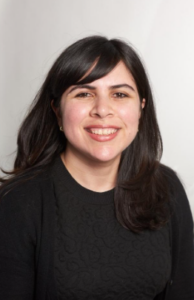
Dr. María José Rosa is environmental epidemiologist with expertise in prenatal/early-life exposures and their impact on respiratory health. Dr. Rosa is an Associate Professor in the Department of Environmental Medicine at the Icahn School of Medicine at Mount Sinai and serves as director of the pilot projects core for the Center on Health and Environment Across the LifeSpan P30 Center. Dr. Rosa received her DrPH in 2014 in Environmental Health Sciences from the Mailman School of Public Health at Columbia University.
Dr. Laura Andrea Rodríguez Villamizar
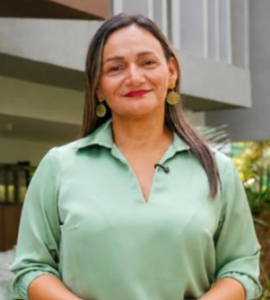
Laura Rodríguez Villamizar is a physician with an MSc and PhD in Epidemiology, and a Distinguished Full Professor in the Department of Public Health at the School of Medicine of the Industrial University of Santander (UIS) in Bucaramanga, Colombia. Dr. Rodríguez’s research focuses on environmental health, with a particular emphasis on epidemiological research on the impact of environmental exposures on health, including air pollution, heavy metal toxicity, and climate change. She is the leader of the Environmental and Occupational Health (EOH) Node of Colombia and co-chair of the LAC chapter of the International Society for Environmental Epidemiology (ISEE).
Dr. Rafael Buralli
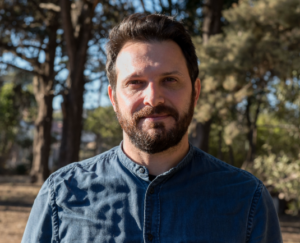
Dr. Buralli is a Professor in the Policy, Management, and Health Department at the School of Public Health, University of São Paulo, Brazil. He is a physical therapist with a Master’s and PhD in Public Health from University of São Paulo, with internships at the University of California, Berkeley, and the University of Chile. He has postdoctoral training in environmental epidemiology and served as a technical consultant for Brazil’s Ministry of Health.
Dr. Maria Elisa Quinteros Caceres
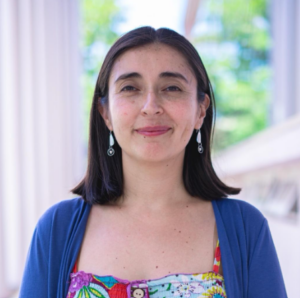
Dr. María Elisa Quinteros is a faculty member in the Department of Public Health at the University of Talca, Chile. She is an environmental epidemiologist, dentist, and public health researcher whose work focuses on how environmental exposures—including air pollution, pesticides, green spaces, and climate change—affect maternal, perinatal, and child health. She also studies sustainable and resilient health systems and leads the EpiGest-Talca prospective birth cohort.


