2022 Meeting Chairs

Marina Silva, Ph.D.

Susana Viegas, Ph.D.

Urs Schlüter, Ph.D.
#ISES2026 Meeting
The Exposome in Action: Collaborative Science for Healthier People and Stronger Communities
Vancouver, Canada
October 4-8, 2026
Join the global exposure science community for the ISES 2026 Annual Meeting. We are excited to welcome researchers, practitioners, and leaders from across sectors to come together and share new findings, spark collaboration, and translate science into real-world impact. We invite you to contribute your work and be part of the conversation shaping the future of exposure science and exposomics.

The ISES 2026 Annual Meeting is coming back to Canada!
Vancouver, British Columbia, Canada is nestled between the mountains and the ocean. It’s a place where skyscrapers stand tall against the backdrop of snow-capped peaks and vibrant city streets naturally transition into peaceful forest trails. The city offers world-class dining, a thriving arts and culture scene, and unmatched natural beauty.
The ISES 2026 Annual Meeting will be held at the Sheraton Vancouver Wall Centre. Located in the vibrant heart of downtown Vancouver, this iconic landmark stands as a testament to innovative architecture, mingling seamlessly with the captivating cityscape. The property is just a stone’s throw away from a smorgasbord of sights including Stanley Park, English Bay, Yaletown, and the bustling Robson Street. Room rate: $319.00 CAD
Stay tuned for more details!
If you have questions about travel requirements and guidelines, please visit the What you need to enter Canada web page from the Government of Canada. If you need an official letter of invitation for visa purposes, please complete and submit the ISES 2026 Letter of Invitation Request.
Statement of commitment to providing a safe environment
ISES leadership recognizes that conferences can sometimes become a place where attendees may feel unsafe because of harassment or the perception that harassing behaviors are tolerated or not addressed. As a result, these individuals are not fully able to participate which impedes their contributions to the scientific exchanges.
We have a safety plan in place, which is a proactive strategy meant to convey to attendees a commitment to fostering a safe environment and to alert potential violators that inappropriate behaviors will not be tolerated.
ISES, as part of our commitment to providing a safe environment, has an official Anti-Harassment Policy that is strictly adhered to and enforced.
The Exposome in Action: Collaborative Science for Healthier People and Stronger Communities
What is the goal of ISES 2026?
The goal of this year’s ISES 2026 is to build bridges for collaborative science, translation, and community engagement to put the exposome in action for healthier people and stronger communities.
What is the Exposome?
The exposome is the integrated compilation of all physical, chemical, biological and psychosocial influences that affect biology and health over the lifetime, and exposure science is at the heart of advancing exposomics studies.
What is Exposomics?
Exposomics is an emerging framework that aims to robustly and comprehensively assess the multitude of exposures people and communities face in their environments throughout their lifetime, to understand their influence on health, disease, and well-being. These include harmful but also protective or health-promoting exposures and factors in the environment.
What methods or pillars does Exposomics rely on?
Exposomics leverages multi-omic chemical and biological analytical methods, biomonitoring, sensing tools and technologies, geospatial sciences, and advanced bioinformatics and data sciences to robustly and comprehensively assess the multitude of exposures people and communities face in their environments throughout their lifetime. These include exposures, risks, but also protective or health promoting factors in the general external (community), specific external (personal), and internal environment.
Does Exposomics advance the mission of Environmental Health?
As a highly interdisciplinary and emerging field in environmental health, exposomics has great potential to reduce cumulative environmental health risks, safeguard and empower people and communities, and shift public health, policy and healthcare towards more robust, systematic, and evidence-driven approaches. As such, exposomics requires deep collaboration and creative methods and thinking across typically siloed domains, which is also a hallmark of the highly interdisciplinary field of environmental health.
Why does Exposomics need exposure scientists?
Exposomics is often described as “exposure science” at scale. The field relies heavily on core expertise in exposure science, including measurement of exposures in air, water, soil or other media, and in human biospecimens; enhanced modeling of exposures at the community or individual (personal) level, from purely data-driven statistical (and AI/ML) models to more stochastic, process-based models that estimate emissions, transport, exposure rates and activity patterns to internal dose across multiple pathways and routes (e.g. inhalation, ingestion, dermal uptake, etc.); and identifying, quantifying and projecting exposure health risks, and the internal biological processes and cascades of events that lead to them, using epidemiology, toxicology, and risk assessment.
Given the big-data, multidimensional nature of exposomics studies, it also relies heavily on statistics and data science methods to decipher mixture effects, identify pathways and mechanisms, and protect against false discovery.
Translating exposomic data and results to policies and solutions also requires responsible, ethical and multidirectional engagement across sectors including academia, government, non-profit, industry and community, which is a core tenant of exposure science and the work of ISES members.
Submissions
Abstract Submissions
We invite you to submit your abstract to ISES 2026!
Submission Rules:
- All abstracts must be submitted through Oxford Abstracts using the link below. Abstracts sent by email will not be considered.
- Do not submit multiple copies of the same abstract. You may make changes to a submitted abstract until the submission deadline.
- Each presenting author may submit a maximum of two abstracts for oral presentation. There is no limit to the number of abstracts submitted for poster presentation. The organizing committee reserves the right to limit the number of oral and poster presentations given by an individual.
- All abstracts will be reviewed by the organizing committee. The final decision whether an abstract is accepted as oral or poster presentation, or rejected, will be made by the organizing committee.
- Accepted abstracts will appear in the scientific program exactly as they were submitted. It’s the responsibility of the authors to ensure abstracts are free of spelling, grammar, or other errors.
- The presenting author of accepted abstracts must complete their registration, including payment, by the registration deadline for presenters (date to be determined) for their abstract to be included in the scientific program.
Submission Guidelines:
- All abstracts must be in English.
- Images, figures, and tables will not be accepted or included in the scientific program.
- Abstracts should clearly communicate the objectives, methods, results, and conclusions. Statements like “results will be discussed” or “data will be presented” should be avoided.
- You are encouraged to consider which proposed sessions are related to your abstract. Click here to view the proposed sessions and their descriptions, sorted by theme. When selecting sessions, ensure that the work presented in your abstract aligns closely with the subject matter and objectives of the session. More information on selecting sessions related to your abstract is available in the abstract submission form linked below.
The deadline for abstract submission is April 30, 2026.
The following information will be collected when submitting an abstract:
- Abstract title (up to 25 words)
- Abstract (up to 250 words)
- Choice of proposed sessions that are related to your abstract (up to 2 sessions)
- Author(s) and their affiliation(s) (up to 10 authors and up to 3 affiliations per author)
- Whether or not the presenting author is a student and, if so, whether they would like to participate in the Student Poster Competition
- Preferred presentation format (oral or poster)
- Whether or not you need an official letter of invitation for visa purposes
- That you have approval from all authors to submit the abstract
- That you agree to disclose any conflicts of interest on behalf of any authors
- That at least one author will register for the meeting to present the abstract, if it is accepted
SUBMIT YOUR ABSTRACT HERE!
Session Proposals
Session proposal submissions are now closed. Thank you to those who submitted a session proposal. The conference organizers will be in touch for next steps.
Pre-conference Workshop Proposals
Pre-conference workshop proposal submissions are now closed. Thank you to those who submitted a workshop proposal. The conference organizers will be in touch for next steps.
2026 Annual Meeting Co-Chairs
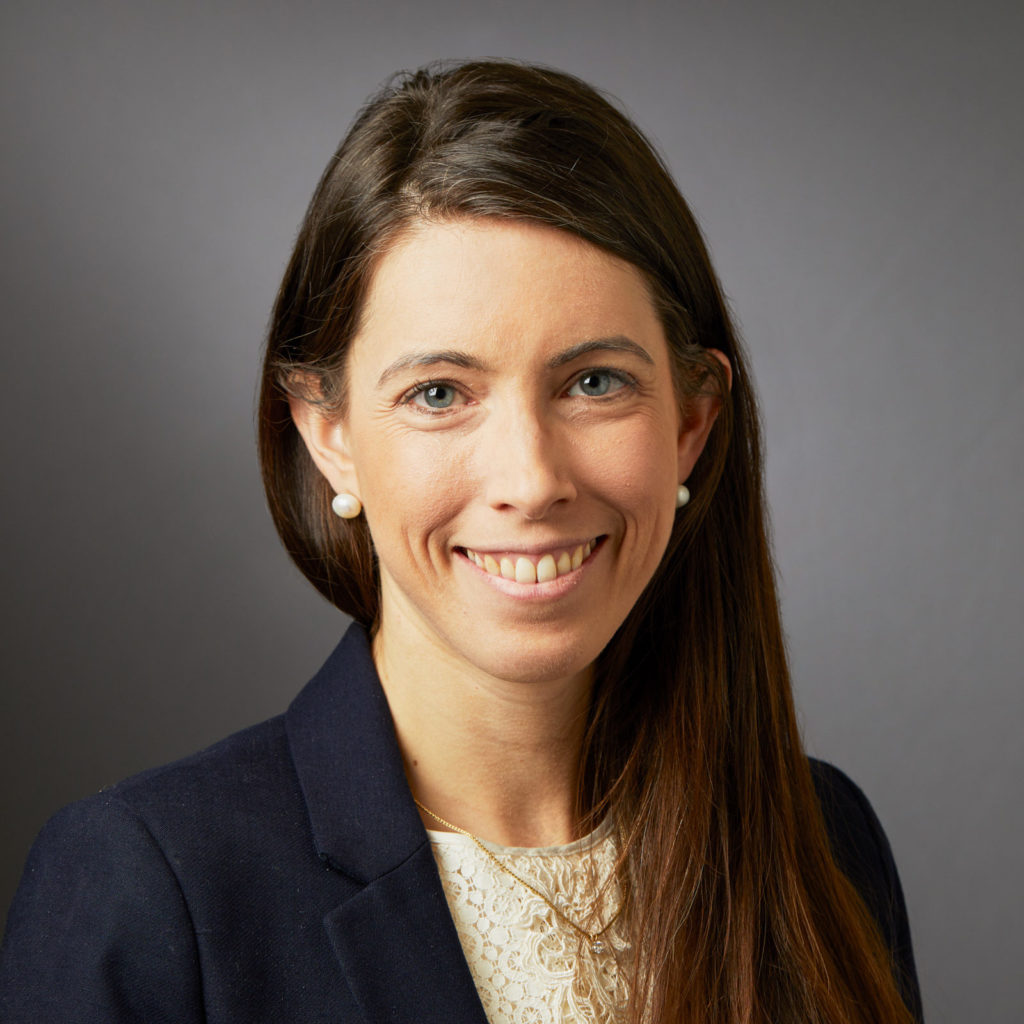
Krystal Godri Politt
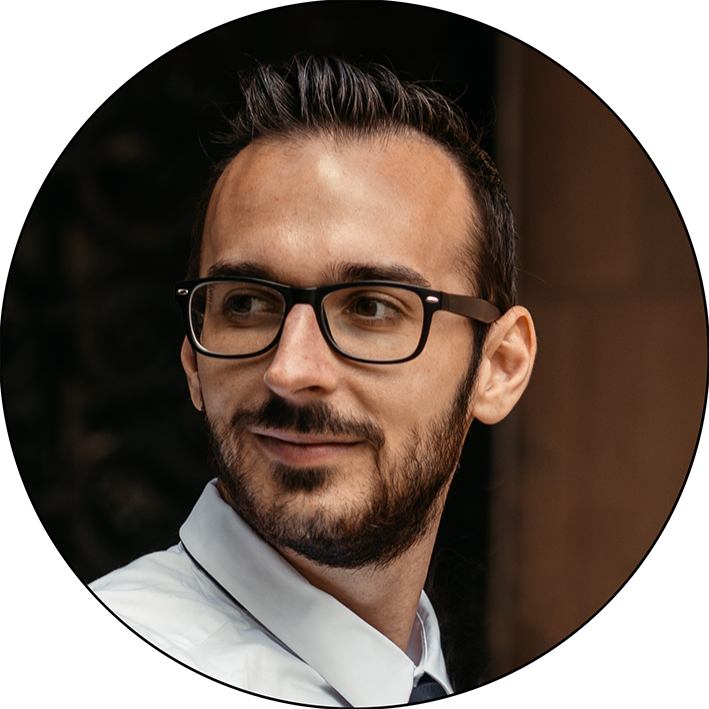
Tyler Pollock
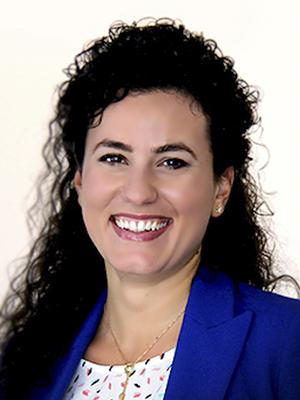
Rima Habre
ISES 2026 Annual Event Sponsors
Stay tuned for ISES 2026 sponsorship opportunities.